Withdrawal interruption
Observational reports describe attenuated opioid withdrawal symptoms within hours of administration, though the durability of this effect varies.
Iboga Clinic is a non-commercial editorial project tracking clinical evidence, safety data, and policy developments around ibogaine — written like a science journal, not a treatment brochure.
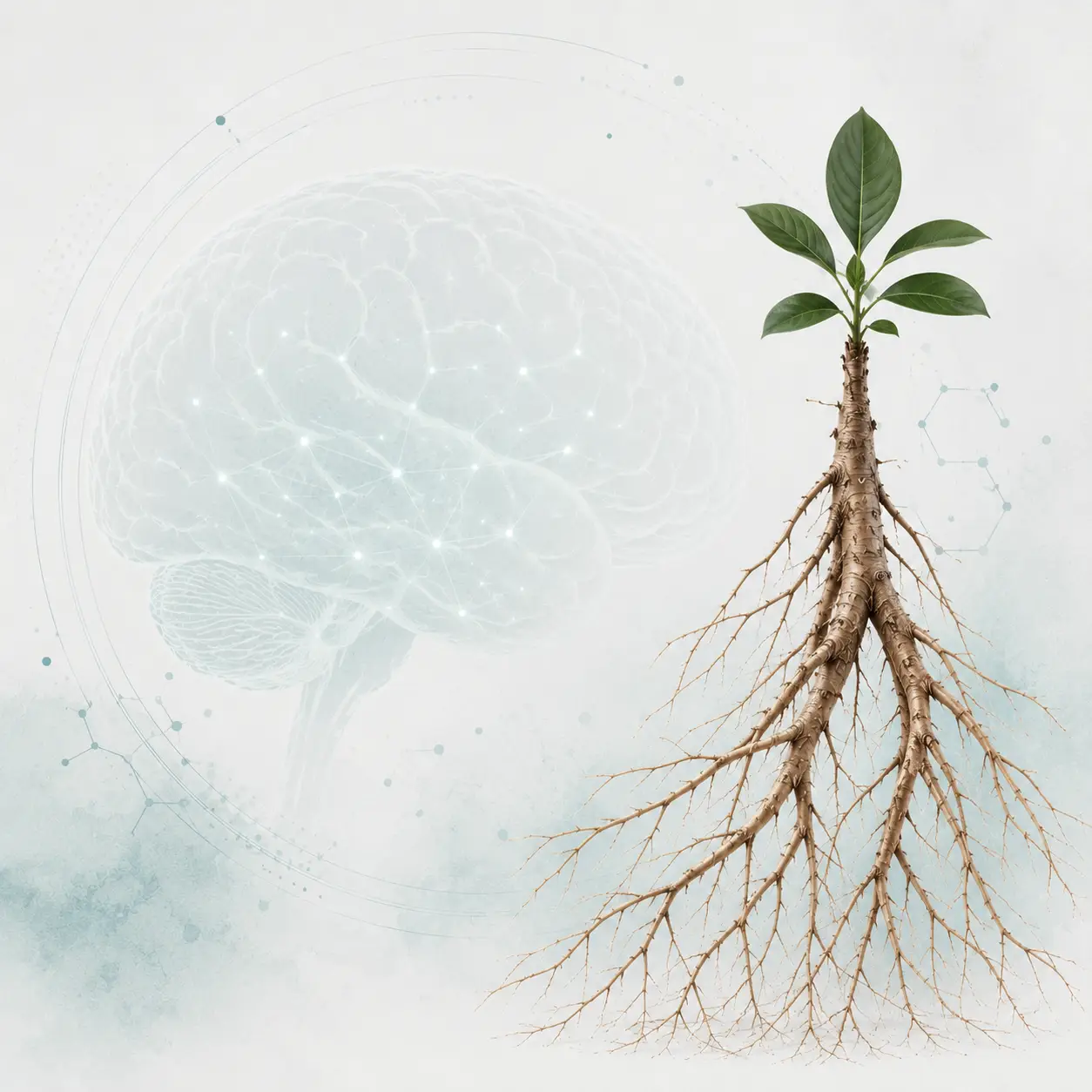
Ibogaine is a naturally occurring psychoactive indole alkaloid found in the root bark of Tabernanthe iboga, a shrub native to West Central Africa. It has been used ceremonially in the Bwiti tradition of Gabon for at least two centuries, and has been the subject of intermittent Western pharmacological research since 1901.
Contemporary research interest centers on observations — primarily from uncontrolled and international settings — that a single dose may interrupt acute withdrawal in opioid use disorder.
The bridge between early anecdotal documentation and structured clinical research was built gradually over the following decades. After meeting Howard Lotsof — the first person to document ibogaine's anti-addictive effects in a clinical context — Brazilian physician Dr. Bruno Rasmussen Chaves began systematic treatment work in São Paulo in 1997, accumulating one of the largest documented case series outside of a formal clinical trial: over 2,000 patients treated across more than 30 years.
The current evidence base is concentrated in observational studies and small open-label trials. Randomized controlled data in human populations remains limited.
Observational reports describe attenuated opioid withdrawal symptoms within hours of administration, though the durability of this effect varies.
Preclinical models show upregulation of GDNF and BDNF expression in mesolimbic regions. Translation to human clinical outcomes remains unproven.
Most published work concerns opioid use disorder. Smaller datasets examine cocaine, alcohol, and methamphetamine use disorders.
Investigators consistently frame ibogaine as a potential adjunct requiring structured aftercare, not a single-event cure.
A 2023 proposal to direct $42 million in opioid settlement funds toward an ibogaine clinical trial was withdrawn after leadership changes at the commission overseeing the allocation.
Ibogaine's primary metabolite, noribogaine, persists in plasma for days after a single dose, raising questions about cumulative cardiac exposure that current monitoring protocols may not fully capture.
A review of pre-treatment screening at clinics affiliated with academic research programs reveals consistent practices — and significant variation in how exclusion criteria are applied.
Iboga has been used ceremonially by the Bwiti of Gabon for at least two centuries. Western pharmacology's encounter with it began in the late nineteenth century — and reframed it in ways the originating tradition did not.
Animal studies suggest ibogaine and noribogaine upregulate GDNF and BDNF expression. Translating those findings into claims about clinical efficacy requires distinctions that popular coverage often blurs.
Ibogaine binds, with varying affinities, to opioid, NMDA, sigma-2, and serotonergic receptors. No single receptor accounts for its observed effects.
Noribogaine has a substantially longer half-life and contributes independently to the post-administration pharmacological window.
Preclinical evidence of GDNF and BDNF upregulation underlies the leading mechanistic hypothesis for anti-addictive effects.
Ibogaine and noribogaine can prolong the heart's QT interval. To date, 48 fatalities have been documented in association with ibogaine use worldwide. Critically, all recorded deaths have been linked to one or more of the following factors: concurrent substance use disorder, polydrug exposure at the time of administration, underlying undiagnosed medical conditions, or inadequate pre-treatment screening. No deaths have been reported in association with ibogaine use for depression or PTSD treatment.
It is also worth noting that the documented mortality rate associated with supervised ibogaine treatment is lower than the mortality rates reported for traditional inpatient rehabilitation centers — a comparison that underscores the role of medical screening and hospital-level supervision in risk management.
Cardiac screening figures
450 ms
Common QTc exclusion threshold reported across academically affiliated programs.
~19
Fatalities reported in unregulated settings between 1990 and 2020 in a 2018 systematic review (Schep et al.), commonly involving inadequate screening or polysubstance exposure.
Figures are illustrative of published ranges and not clinical guidance.
French pharmacologists Dybowski and Landrin first isolate ibogaine from Tabernanthe iboga root bark.
Howard Lotsof publishes initial observations of ibogaine's effect on opioid withdrawal in lay subjects.
U.S. FDA grants Investigational New Drug status to Dr. Deborah Mash for ibogaine research at the University of Miami.
Dr. Bruno Rasmussen Chaves first encounters ibogaine after observing promising outcomes in a family member. The same year, he meets Howard Lotsof — the first person to document ibogaine's anti-addictive properties — at the University of Miami, a meeting that would directly shape the next three decades of his clinical career.
After observing promising results and meeting Howard Lotsof in 1994, Brazilian physician Bruno Rasmussen Chaves began administering ibogaine in a clinical setting in São Paulo, Brazil — initiating what would become one of the largest documented ibogaine treatment datasets outside a formal university trial: over 2,000 cases across 30+ years.
Schenberg, Rasmussen Chaves, de Castro Comis, and da Silveira published a retrospective analysis of 75 patients (cocaine, crack, alcohol, cannabis users) in the Journal of Psychopharmacology. 61% abstinence at follow-up. No fatalities. The first published evidence of ibogaine efficacy outside an opioid-primary population.
Dr. Bruno Rasmussen Chaves, alongside Eduardo Ekman Schenberg, Maria Angélica de Castro Comis, and Dartiu Xavier da Silveira, published a retrospective analysis of 75 patients (cocaine, crack, alcohol, and cannabis users — 72% polysubstance) in the Journal of Psychopharmacology. 61% abstinence at follow-up; no fatalities recorded. The first published peer-reviewed evidence of ibogaine efficacy in a non-opioid-primary population.
PubMed: 25271214CONED-SP issued resolutions establishing that ibogaine treatment must be conducted in a hospital setting with full medical, psychiatric, and psychological supervision — the first government body in Latin America to do so. The ruling was directly influenced by the 2014 retrospective study.
A qualitative follow-up study (Journal of Psychedelic Studies, Vol. 1) by Rasmussen Chaves, Schenberg, Tofoli, and da Silveira found that patients treated with combined ibogaine and cognitive therapy reported significantly improved quality of life — including shorter, less severe relapse episodes among those who did not maintain abstinence.
Demerara Scientific Conference on Ibogaine in Brazil consolidates international clinician network around safety protocols.
Kentucky considers — and ultimately withdraws — a $42M opioid settlement allocation for ibogaine clinical trials.
Stanford-led open-label study of magnesium-supplemented ibogaine for traumatic brain injury in veterans published in Nature Medicine.
IbogaClinic Academy is committed to advancing evidence-based education through collaboration with internationally recognized medical experts dedicated to research, patient safety, and clinical excellence.
Ibogaine Research & Education
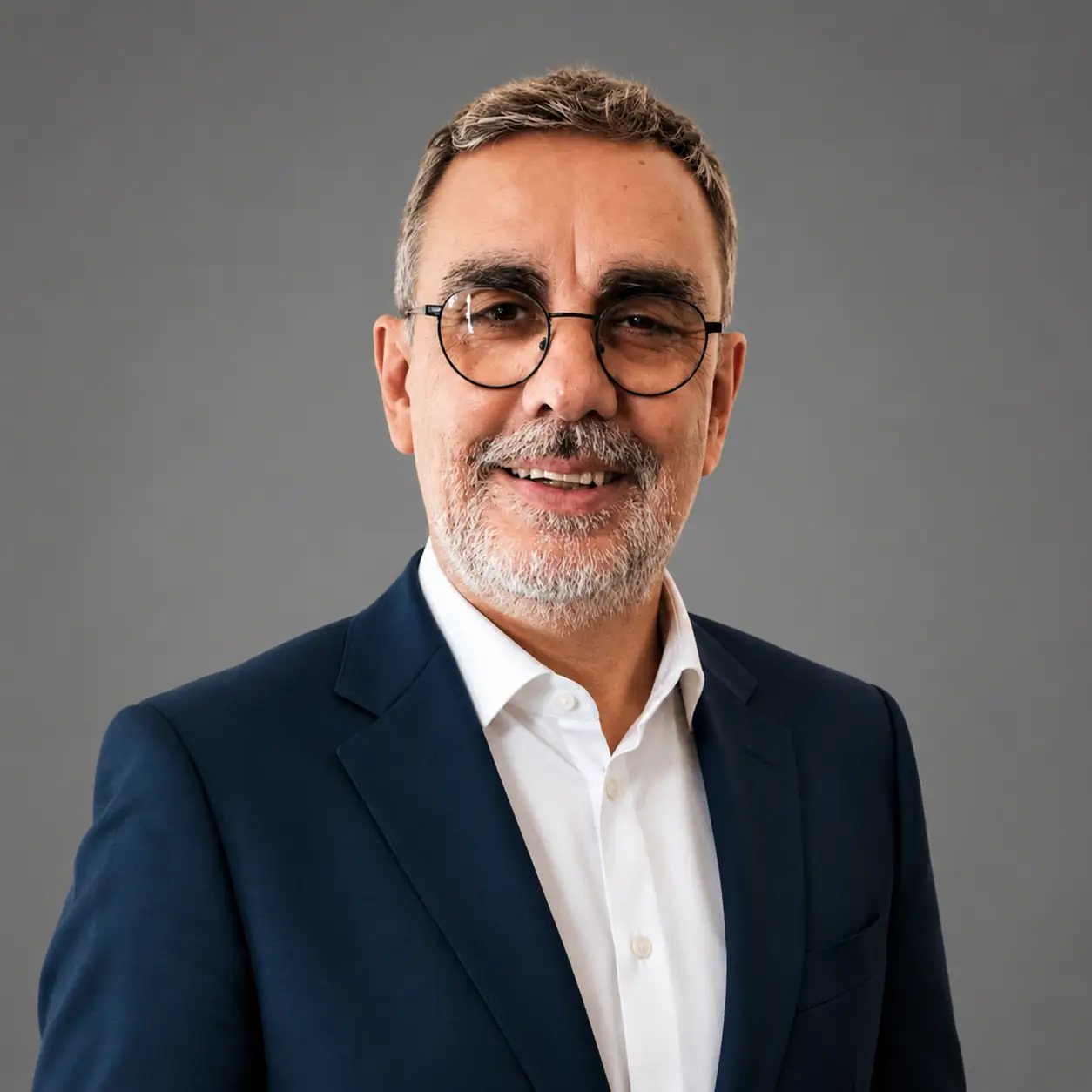
One of the world's most experienced physicians in the study of ibogaine-assisted addiction treatment.
A graduate of the Federal University of São Paulo and former Emergency Room chief, Dr. Rasmussen has worked with ibogaine since 1994, accumulating one of the largest clinical experiences in the field with more than 2,000 supervised treatments over more than 27 years.
His work has helped move ibogaine from an underground practice toward a medical, evidence-based model. He is co-author of the landmark 2014 observational study and the Clinical Guidelines for Ibogaine-Assisted Detoxification (GITA). His research also contributed to the regulation of hospital-based ibogaine treatment in Brazil.
A longtime advocate for rigorous clinical evaluation and patient safety, Dr. Rasmussen emphasizes that ibogaine is not a miracle cure, but a serious medical intervention that requires careful screening, proper medical supervision, and ethical clinical practice.
It is not a miracle cure. It is a powerful medical tool that requires science, responsibility, and proper clinical supervision.
Educational DisclaimerThe educational content presented by IbogaClinic Academy is intended exclusively for healthcare professionals and educational purposes. It does not replace independent clinical judgment, professional medical advice, diagnosis, or treatment.